
Exploring Hidden Coves on the South West Coast

The finest coves in the South West are rarely the ones with a car park and an ice cream van. They are the small, rough-edged inlets tucked between headlands — a scrap of shell sand, a granite platform, a gully of clear water — reached only on foot and, very often, only in the hours around low water. They are worth every step. They also ask a little more of you than a beach with a lifeguard hut and a bin.
Where the Road Runs Out
Think of the coast between Minehead and Poole Harbour, then west around Land's End and down through the Lizard and the Roseland. The South West Coast Path threads the whole of it, but the quiet coves sit on the spurs and in the folds either side of the main route. Some are named on the map. Plenty are not. A few have a slipway used by a handful of crab boats; the rest are simply a break in the cliffs where a stream meets the sea and the rock gives way.
What they share is a rhythm. At high water many are drowned or reduced to a few metres of shingle. At low water, on a big spring tide, the same cove can open out to fifty metres or more of sand, rockpool and boulder, revealing passages that are completely invisible from the clifftop above. That changeability is the whole appeal — and the whole risk.
Timing Is Everything
Everything on this coast is governed by the tide, so start there. Buy a printed tide table for the nearest standard port and check the local variation; high water in one cove can run twenty to thirty minutes behind the next headland along. Note whether you are on springs or neaps — spring tides give you a much lower low water and far more shore to explore, but the sea returns faster and further up the beach.
A workable rule is to arrive an hour before low water and be back on the path no later than two hours after it. Treat the turn of the tide as your signal to leave, not as a bonus hour. The old rule of twelfths explains why: in a six-hour flood, the sea rises roughly one twelfth in the first hour, two in the second, three in the third, and then symmetrically back down. The middle hours move a great deal of water quickly.
Watch the direction of the fill, too. A cove that floods only from one side can pin you against the cliff with no way out except up — and up is rarely an option.
Access Rights: Footpaths, Cliffs and Permissions
The coast path itself is a public right of way, and much of the open clifftop beside it is access land. That does not automatically extend to the shore below, nor to every route down to it. Use waymarked paths rather than cutting down through farmland, gardens or private tracks, and close gates behind you.
Some stretches are closed at certain times: firing ranges, land managed for breeding birds, or paths that are permissive rather than public and may be withdrawn. Look for signs on the ground and check a detailed 1:25,000 map before you set out. If a descent looks like a scramble rather than a path, it probably is — never climb cliffs, and never trust fixed ropes or handlines left by someone else.
What to Wear and What to Carry
- Footwear with grip. Wet rock and seaweed are genuinely treacherous, and urchin spines and weever fish are best avoided altogether. Leave the flip-flops in the car.
- A dry bag or waterproof rucksack for phone, keys and a spare layer. Mobile signal is patchy or absent in many coves.
- Water, a snack and a basic first-aid kit, including tweezers and a saline wash for cuts.
- A paper map and compass, plus a note of your route left with someone at home and an agreed time to check in.
- Sun cream and a hat, even in a brisk north-westerly. Shade is scarce on a low-tide shore.
Tell someone where you are going and when you expect to be back. If you get into difficulty, dial 999 and ask for the coastguard — and if you see someone else in trouble, call rather than wade in.
Sharing the Shore: Seals, Seabirds and Rockpools
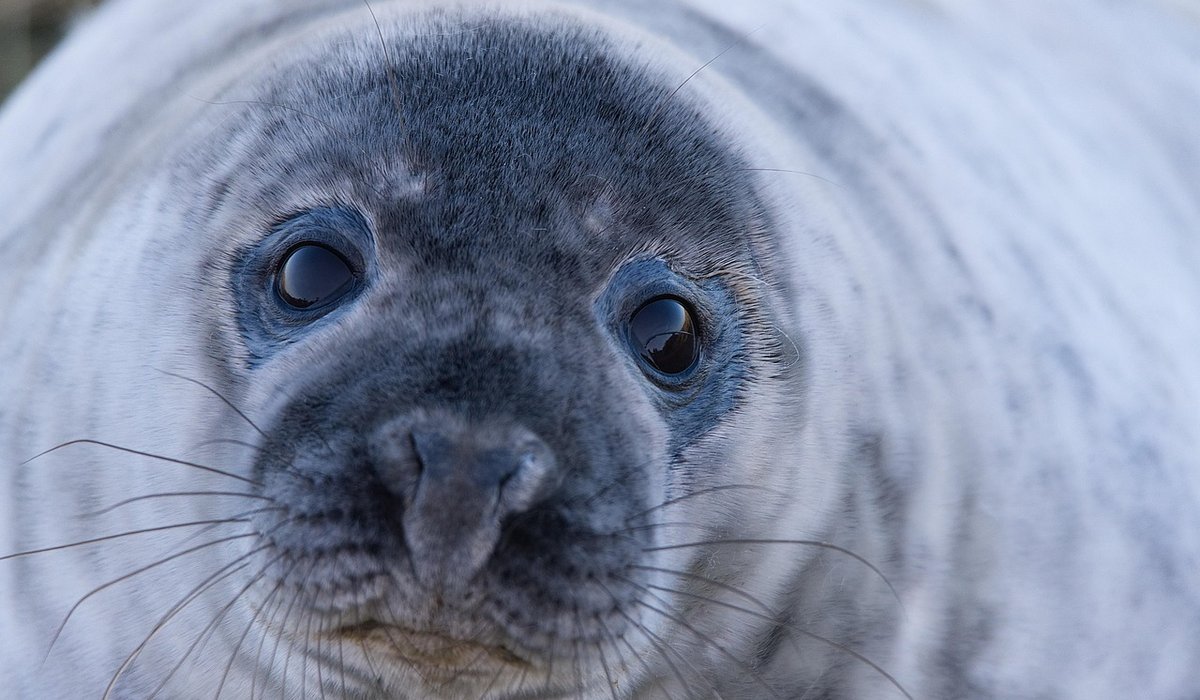
These coves are working wildlife habitat, not scenery. Grey seals haul out on undisturbed rocks to rest and to pup, and a startled adult heading for the water can crush a pup in the panic. Keep at least 100 metres away, and further if there are pups about. Never position yourself between a seal and the sea.
Seabirds nest on ledges and in boulder scree from spring through to late summer. Keep to the path, keep dogs on a short lead near cliffs, and move on quietly if birds start alarm-calling. In rockpools, look rather than lift: turn a stone, watch what moves, then put it back exactly as it was. Shells, seaweed and empty crab cases are fine to admire and leave behind.
Leave Nothing But Footprints, Take Nothing But Litter
Coves reached only on foot have no bins, and no one is coming to empty them. Everything you carry in comes out with you, including apple cores, fishing line and the fragment of crisp packet you find wedged in the rocks. Fishing line in particular is lethal to birds and seals, so bag it and bin it properly on land.
A two-minute beach clean at the end of every visit is a small habit with an outsized effect; the South West takes the brunt of a great deal of ocean-borne plastic, and every handful removed is one less fragment breaking down into microplastic in the sand. Take a bag, fill it if you can, and leave the cove as you would like to find it. That way these quiet places stay quiet, and stay worth the walk.

Joeby Ragpa
This template is so awesome. I didn’t expect so many features inside. E-commerce pages are very useful, you can launch your online store in few seconds. I will rate 5 stars.
ReplyAlexander Samokhin
This template is so awesome. I didn’t expect so many features inside. E-commerce pages are very useful, you can launch your online store in few seconds. I will rate 5 stars.
ReplyChris Root
This template is so awesome. I didn’t expect so many features inside. E-commerce pages are very useful, you can launch your online store in few seconds. I will rate 5 stars.
Reply