
The House Always Wins? Why Smart Players Still Love the Game

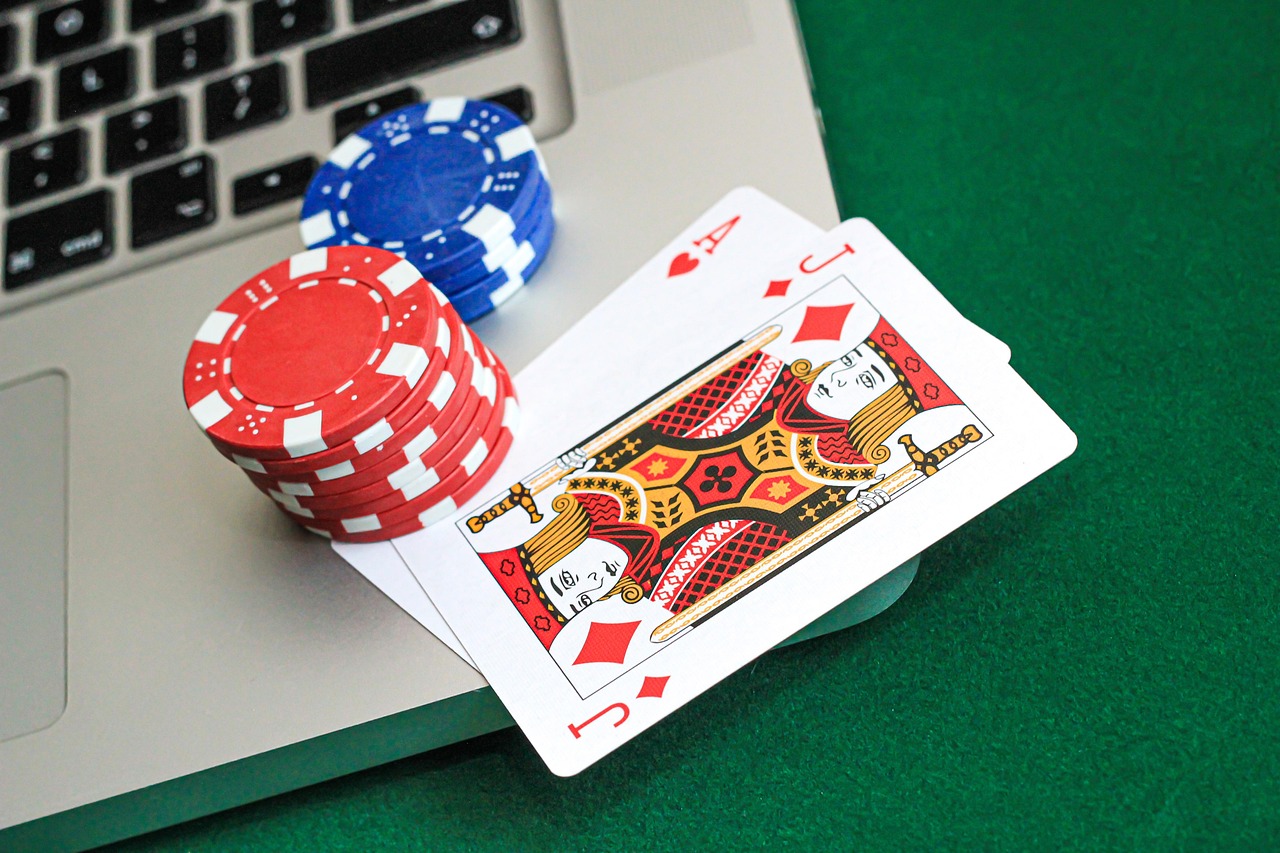
Everyone knows the phrase. The house always wins. It's the first thing you hear when you tell someone you're into casino games or sports betting, usually followed by a knowing nod and a story about a cousin who lost his car. And here's the thing: that cousin probably did lose his car. But the phrase itself is a lazy oversimplification, and if you're going to spend real time and real money in the iGaming world, you owe it to yourself to understand what it actually means — and more importantly, what it doesn't.
The house edge isn't a magic spell. It's math. And math, unlike luck, can be studied, worked with, and in some games, almost entirely neutralized. That's the difference between a player who grinds through a monthly budget and one who brags about a weekend in Monaco. It's rarely about being smarter. It's about understanding which games reward skill, which reward patience, and which reward absolutely nothing but a fast heartbeat.
The House Edge, Translated Into Real Money
Let's get specific, because vague warnings are useless. The house edge is the mathematical advantage the casino holds over you on every bet, expressed as a percentage of your stake over the long run. On a standard American roulette wheel with the double zero, the edge is 5.26%. On a European wheel with a single zero, it drops to 2.7%. That second number isn't trivia — it's a full halving of the casino's long-term take, simply by choosing a different table. For more on this, see trangcacuocbongda.in.net.
Now compare that to slot machines. Online slots typically carry an RTP (return to player) somewhere between 94% and 97%, which sounds harmless until you realize it means a house edge of 3% to 6%. But that edge is applied to a game with enormous variance. A 96% RTP slot can chew through a $200 bankroll in twenty minutes and never once trigger the bonus round. RTP describes the machine's behavior over millions of spins, not your Tuesday night.
Blackjack, played with basic strategy, sits around 0.5% to 1%. Baccarat's banker bet hovers near 1.06%. Video poker variants like Jacks or Better return over 99% with perfect play. Notice the pattern? The games where you make genuine decisions are the games where you can drag the house edge down near zero. The games where you just press a button and hope are the games where the casino makes its real money.
Why Slots Still Dominate — And How to Play Them Without Getting Flattened
Despite everything I just said, slots are the undisputed king of both land-based and online casinos, accounting for the overwhelming majority of revenue. There's a reason. They're accessible, they're visually spectacular, and they demand nothing from you. After a long day, that's an appealing offer.
The trick isn't avoiding slots. It's respecting them. A few practical rules that actually matter:
- Check the RTP before you spin. Most reputable operators publish it. A 96.5% slot and an 88% slot look identical on screen. One is a night out; the other is a donation.
- Understand volatility. High-volatility slots pay less often but bigger. Low-volatility slots pay small amounts frequently. Match this to your bankroll. A $50 budget on a high-volatility slot is a thrill ride, not a strategy.
- Set a stop-loss and a stop-win before you start. Decide the number, write it down, and walk away. The hardest part of gambling isn't winning. It's leaving.
- Never chase a bonus round. The machine has no memory. Your last twenty dead spins have zero influence on the next one.
Poker Is the One Game Where You're Not Playing the House
This is the most important distinction in all of gambling, and it surprises people who don't play cards. In poker, you're not betting against the casino. You're betting against the other players. The casino simply takes a rake — a small percentage of each pot — and steps out of the way. That single structural fact changes everything about how the game should be approached.
Poker is the rare game where a genuinely skilled player can achieve a positive expected value over the long run. But "skilled" here doesn't mean knowing when to bluff. It means understanding position, pot odds, ranges, and bankroll management with almost academic discipline. The reason most poker players lose is not bad luck. It's that the field contains a handful of professionals who treat it like a part-time job, and everyone else is essentially funding them.
If you're new, here's the honest path:
- Start with micro-stakes cash games or low buy-in tournaments. The money is small; the lessons are identical.
- Learn one format properly rather than dabbling in five. No-limit hold'em is the standard for a reason.
- Track every session. Wins, losses, hours played. Your memory is a liar; your spreadsheet isn't.
- Accept variance. A winning player can lose for a month. A losing player can win for a month. Sample size is everything.
Sports Betting: Where Sharp Beats Loud
Sports betting feels like it belongs in a different category from casino games, but the mechanics are similar: the bookmaker prices events with a built-in margin, usually baked into the odds on both sides so that the total implied probability exceeds 100%. That excess is the vig, and it's how the sportsbook profits regardless of the result.
Beating that margin consistently is extraordinarily difficult. A small percentage of bettors — the sharps — do it through line shopping, injury analysis, advanced modeling, and sheer volume. Everyone else is entertainment betting. There is nothing wrong with entertainment betting. It makes a Sunday more interesting. But call it what it is, because a bettor who thinks he's sharp when he's actually recreational will make the exact bets the sharps are lining up to fade.
A few things that genuinely improve results: always compare odds across multiple books, avoid parlay gimmicks that multiply the house edge, understand that closing line value is a far better predictor of long-term success than your win-loss record, and never bet on your favorite team because you love them.
The Bankroll Is the Real Skill
Here's the truth no one puts on a billboard: the difference between the person who enjoys iGaming for decades and the person who blows up in a weekend almost never comes down to game choice. It comes down to bankroll discipline.
A proper bankroll is money you can lose without changing your life. Not rent. Not savings. Not the credit card you're "sure you'll pay off." Once you're gambling with money you need, every decision becomes emotional, and emotional decisions are exactly what the house edge feeds on.
For casino games, a reasonable unit is 1% to 2% of your total bankroll per bet. For poker cash games, cap your buy-in at 5% of your roll. For tournaments, no more than 2%. For sports betting, flat stakes of 1% to 3% are standard. These numbers aren't exciting. They're the reason the people who follow them are still around.
The Verdict
The house edge is real, but it's not a wall. It's a slope. Some games tilt steeply toward the casino, and some tilt barely at all. The player who treats slots as pure entertainment, poker as a skill pursuit, and sports betting as a disciplined hobby — while keeping bankroll rules sacred — is playing a completely different game than the person chasing a jackpot at 3 a.m.
Nobody beats the casino by outsmarting it. You beat it, when you do, by choosing the games, limits, and moments where the math doesn't work against you quite so hard. Everything else is noise, and the noise is expensive.

Joeby Ragpa
This template is so awesome. I didn’t expect so many features inside. E-commerce pages are very useful, you can launch your online store in few seconds. I will rate 5 stars.
ReplyAlexander Samokhin
This template is so awesome. I didn’t expect so many features inside. E-commerce pages are very useful, you can launch your online store in few seconds. I will rate 5 stars.
ReplyChris Root
This template is so awesome. I didn’t expect so many features inside. E-commerce pages are very useful, you can launch your online store in few seconds. I will rate 5 stars.
Reply